AENEAM at the EENOVA Final Event
Joining Forces to Accelerate the Energy Transition of Europe’s Agri-Food Sector
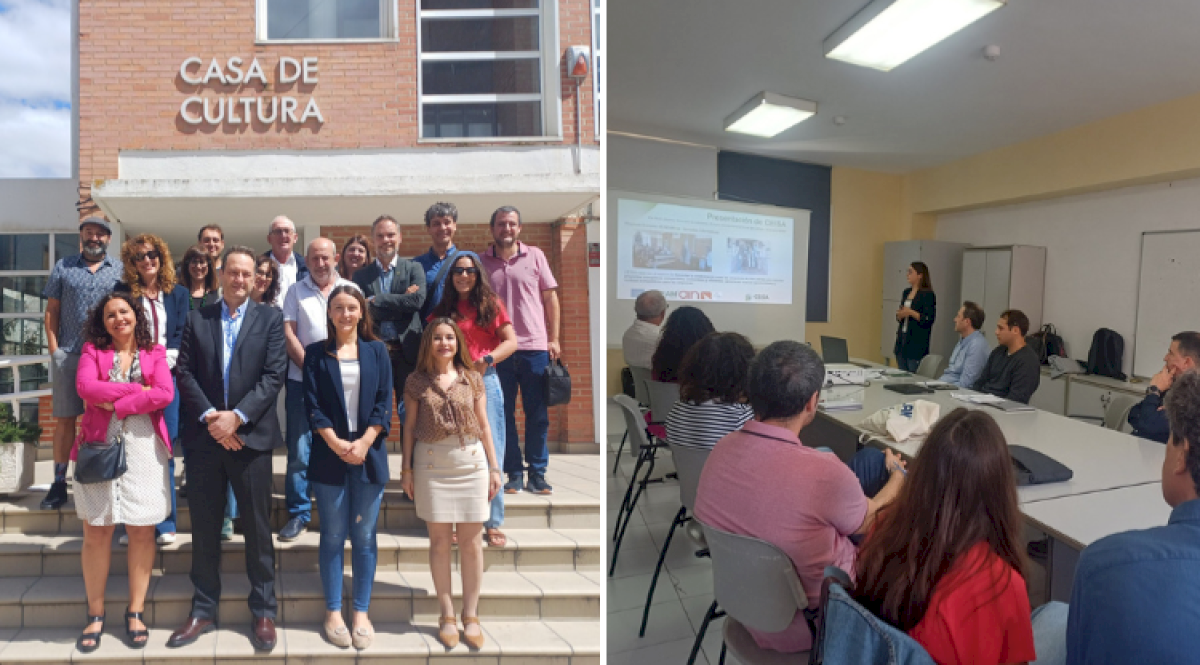
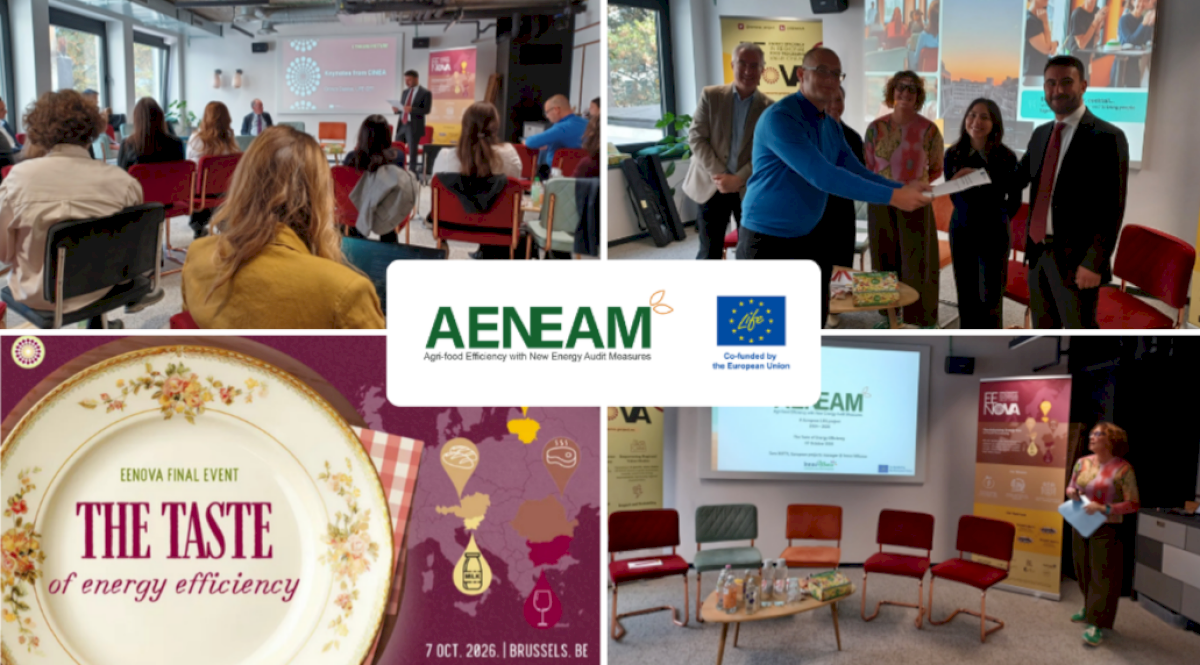
On 7 October 2026, Innov’Alliance represented the AENEAM project at the final event of EENOVA – Energy Efficiency in regioNal fOod processing Value chAins, a fellow LIFE project dedicated to supporting energy efficiency in regional food processing value chains. The event brought together European institutions, project partners, industry representatives and energy transition experts to discuss how energy efficiency can strengthen the competitiveness and resilience of Europe's agri-food sector.
The day opened with a forward-looking presentation on the role of agriculture, forestry and food systems in achieving the EU’s climate objectives towards 2040, hold by AGORA Agriculture. Building on recent policy reflections, speakers highlighted the need to accelerate the implementation of energy efficiency measures, reduce dependence on fossil fuels, and enhance the resilience of food value chains. The discussions closely echoed the challenges addressed by AENEAM and other LIFE Clean Energy Transition projects supporting SMEs across Europe.
Participants were then presented with the final results of the EENOVA Project, which focused on improving energy efficiency, increasing renewable energy deployment and reducing carbon intensity across five regional food processing value chains. The project demonstrated the value of collaborative approaches bringing together companies, value chain actors and regional stakeholders to identify and implement energy-smart solutions.
A dedicated session was also organised for sister LIFE projects working on energy efficiency in food-related sectors:
- BETTED, supporting energy efficiency and renewable energy uptake across dairy value chains, with a particular focus on heat pump deployment and the reduction of fossil fuel dependence.
- EE4HORECA, helping hospitality and food service businesses improve their energy performance and reduce energy consumption.
- REEValue, promoting cooperation between businesses in the food, beverage and transport sectors to identify energy efficiency and renewable energy opportunities.
- AENEAM, which supports agri-food SMEs in moving from energy audits to implementation through expert coaching, digital solutions, training activities and targeted follow-up support.
One of the highlights of the event was the formal handover of the Joint Policy Statement of LIFE CET Food-Related Projects on Energy Transition in Agrifood to the CINEA project officer. The statement, developed jointly by AENEAM, EENOVA, BETTED, AUDIT PLUS and REEValue, emphasizes that energy efficiency should be considered the first ingredient of a competitive food sector.
The document identifies four key priorities for policymakers:
- Making energy audits more strategic and action-oriented by linking them to long-term decarbonisation pathways and by recognising the broader benefits of energy efficiency investments.
- Bridging the gap between audits and implementation through dedicated technical support, improved investment appraisal methods, and targeted funding for energy management systems.
- Accelerating digitalisation and data-driven energy management through the deployment of Energy Management Systems (EMS), advanced metering and monitoring tools.
- Strengthening ecosystem support and peer learning by recognising the role of innovation clusters, business networks, chambers of commerce and regional organisations in supporting SMEs throughout their energy transition journey.
As the AENEAM project approaches its conclusion, participating in this event highlighted the strong convergence emerging across LIFE CET initiatives. Despite focusing on different sectors and value chains, all projects point toward the same conclusion: energy audits, digital tools, expert support and collaboration networks are essential to transform energy efficiency opportunities into concrete investments and measurable impacts.
The EENOVA final event therefore marked not only the successful completion of a project, but also an important step towards a more coordinated European approach to energy efficiency and decarbonisation in the agri-food sector.